
Don’t Like Change? Here’s Advice for Choosing a Paint Color in Morristown, NJ
September 1, 2026
Short answer: sometimes. Whether a business can remain open during commercial painting depends on the areas being painted, how customers and employees move through the property, the condition of the surfaces, and how the work is planned. The most useful first step is a detailed walkthrough that identifies the work areas, existing conditions, access concerns and project priorities before painting begins.
For businesses and property managers in Lyndhurst, Morristown, and elsewhere in Northern New Jersey, the goal is not simply to get new paint on the walls. A commercial painting project also has to fit the way the property is used. Planning the sequence of work before the first day can help everyone understand what spaces are affected and what needs to remain accessible.
Can You Keep a Business Open While It Is Being Painted?
There is no one answer for every property. A small office, restaurant, retail space, fitness facility, warehouse, or other commercial building may have very different access and operating needs. Before deciding whether normal operations can continue, the painting contractor and property representative should identify which areas are being painted and how those areas connect to entrances, workspaces, customer areas and other parts of the building.
If the work can be separated from the areas people need to use, continued operations may be easier to plan. If painting affects a primary entrance, a heavily used room or a large connected area, the project may require more coordination. The appropriate plan should be based on the actual property rather than a blanket promise that every business can stay fully open.
Start With a Walkthrough and a Defined Project Plan
We start every project with a walkthrough, so everyone is on the same page before the work begins. Our crew leader will walk the property with you, take note of any existing damage, document conditions with photos, and discuss what you want to accomplish. From there, we can put together a clear project plan based on the needs of your property and your business.
That matters when disruption is a concern. A useful pre-project discussion can identify:
- which rooms, walls, ceilings or exterior areas are included;
- where customers, tenants or employees normally enter and move through the property;
- which spaces have the highest operational priority;
- existing surface damage or repair needs that may affect the scope; and
- who will be the business contact for questions as the work progresses.
The point is to make the painting scope and the property’s day-to-day needs visible before work begins.
What Should a Business Do Before Commercial Painters Arrive?
Answer first: confirm the work areas, identify anything that must remain accessible, remove or secure items that the business is responsible for, and make sure the contractor has a clear point of contact.
The exact preparation depends on the property and the agreed scope. Businesses should avoid making assumptions about what will be moved, protected or repaired. Those responsibilities are best clarified during the walkthrough and project planning stage.
For a customer-facing business, it can also be useful to think through the normal traffic pattern. For an office or managed property, the priority may be employee, tenant or vendor access. For a facility with specialized rooms or equipment, the project discussion should account for those areas specifically.
Surface Conditions Can Change the Plan
Commercial painting can involve more than simply applying a fresh coat of paint. During our initial walkthrough, we look for existing damage, deteriorated coatings, and areas that may need repair or restoration before painting begins. Since we handle commercial painting, restoration, and repair, we can identify these needs early and make sure they’re considered when planning the project.
Taking the time to evaluate the property upfront helps prevent surprises once work is underway. If repairs are needed, we can account for them in the scope from the beginning, rather than discovering them after everyone has planned for a straightforward repaint.
How Can Commercial Painting Disruption Be Reduced?
One of the best ways to minimize disruption during a commercial painting project is to plan the work around how your property actually operates. Before we get started, we want to understand how you use the space, which areas need to remain accessible, and any other concerns that could affect the project.
Once work is underway, communication remains important. We use a daily cleanup sheet and walk through the work area with the business or property owner at the end of each day. This gives us a chance to review the day’s progress, keep you informed, and make sure the work area is left in good condition.
If there are entrances, rooms, customer areas, or other spaces that cannot be interrupted, let us know during the planning stage. The earlier we understand how your business needs to operate during the project, the better we can plan the work around those needs.
Interior and Exterior Projects Create Different Access Questions
Interior Commercial Painting
Interior work may intersect directly with employees, customers, tenants, furnishings, equipment, and normal circulation through the building. The planning discussion should focus on which spaces are included and how those spaces are used.
Exterior Commercial Painting
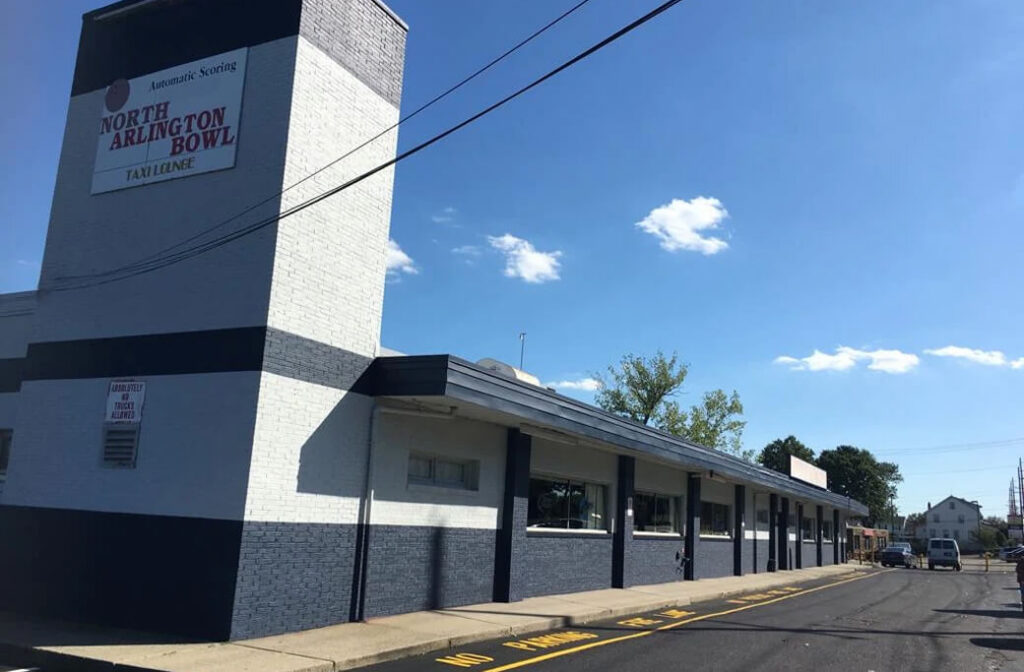
Exterior work can raise different questions around entrances, walkways, storefronts and other customer-facing areas. The property representative should identify high-use access points so they can be considered when the project scope is defined.
Questions to Ask Before Scheduling Commercial Painting
- What exact areas are included in the painting scope?
- Are there visible repair or restoration needs that should be addressed first?
- Which entrances, rooms or work areas need to remain accessible?
- Who is the primary contact for project questions?
- How will existing conditions be documented?
- How will progress and cleanup be reviewed as the project moves forward?
These questions are useful because they focus on the property and the project instead of assuming that every commercial space can be painted the same way.
Commercial Painting in Lyndhurst and Morristown, NJ
J Canabe’s Painting Company provides commercial painting, restoration, and repair for businesses and commercial properties throughout Northern New Jersey, including Lyndhurst and Morristown. We handle both interior and exterior projects and plan each job around the needs of the property.
If you’re considering painting your business or managed property, we’ll start by learning about the space, the work you need done, and how the property operates. From there, we can discuss the scope and determine the best way to approach the project while keeping your priorities in mind.
Plan Your Commercial Painting Project With J Canabe
Planning an interior or exterior commercial painting project in Lyndhurst, Morristown, or the surrounding Northern New Jersey area? Contact J Canabe’s Painting Company to schedule an estimate. We’ll discuss your property, the work that needs to be done, and any operational concerns we should consider when planning your project.
Frequently Asked Questions
It may be possible, depending on the areas being painted and how the property is used. The decision should be based on a walkthrough and a project plan that accounts for access, work areas, existing conditions and business priorities.
Confirm the scope, identify spaces or entrances that need to remain accessible, clarify preparation responsibilities and designate a contact for project questions.
A walkthrough helps define the project, identify visible existing damage and document the conditions of the property before work begins. It also gives the business a chance to explain operational priorities.
Yes. Existing surface damage or deterioration may need to be addressed before finish painting. J Canabe provides commercial restoration and repair, as well as commercial painting, so repair needs should be discussed during project planning.