
The DIY Route: “How Hard Can It Be?”
March 2, 2026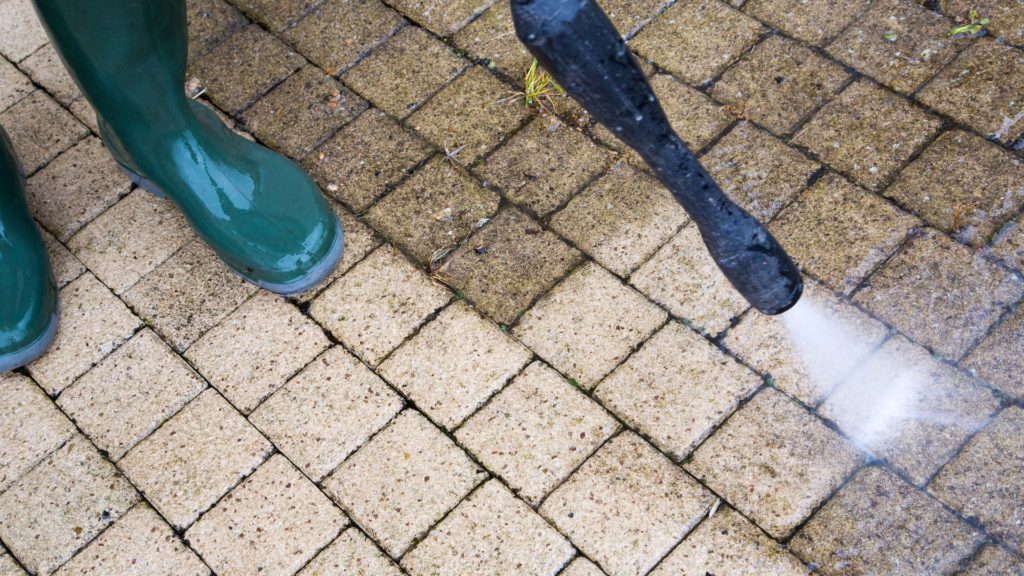
There’s a certain time of year in Lyndhurst when people start noticing their house again. Not the inside. The outside. Usually it happens after a few warmer days, when the snow piles are finally gone and the rain eases up just enough to walk the property without dodging puddles.
That’s when the questions start.
“Was the siding always that dull?”
“Is that dirt… or something growing?”
“Why does the back of the house look worse than the front?”
If any of that sounds familiar, you’re not alone. New Jersey weather has a way of quietly working on exterior surfaces all year long, then revealing its handiwork once spring shows up. Power washing is often the first real step homeowners take when they want to reset things, especially before exterior painting enters the picture.
And despite how simple it looks, it plays a much bigger role than most people expect.
Why Exterior Surfaces in North Jersey Need More Than a Hose
Lyndhurst homes deal with a mix of everything. Cold winters. Wet springs. Hot summers. Fall leaves that somehow end up stuck to siding months later. Add in traffic residue, pollen, and shade from nearby trees, and exterior surfaces rarely stay clean for long.
Here’s what I’ve noticed. Dirt doesn’t just sit on the surface. It settles in seams. It clings to trim edges. It feeds mildew, especially on the sides of homes that don’t get much sun.
Power washing clears away the buildup that regular rinsing can’t touch, including:
- Mold and mildew that thrive in damp spring weather
- Pollen that coats siding once trees wake up
- Old chalky residue from aging paint
- Grime that collects after snow, salt, and winter runoff
- Loose paint flakes that are already on borrowed time
Once that layer is gone, the house doesn’t just look cleaner. The surfaces are actually ready for whatever comes next, whether that’s painting or general upkeep.
Why Power Washing Matters Before Exterior Painting
This question comes up a lot.
“Can’t we just paint over it?”
Technically? You can.
Practically? It rarely ends well.
Paint needs a clean surface to hold onto. When it’s applied over dirt, mildew, or residue, adhesion suffers. Sometimes the issues show up quickly. Other times it takes a year or two, which somehow feels worse.
Unwashed surfaces can lead to:
- Peeling along trim and siding edges
- Bubbling where moisture was trapped
- Uneven color and patchy sheen
- Shorter paint life overall
Exterior painters in Lyndhurst NJ almost always treat power washing as part of the prep process, not an optional step. It’s one of those things that quietly determines whether a paint job lasts five years or fifteen.
Seasonal Timing in Lyndhurst Makes a Difference
Spring is prime time for power washing in this area. Winter leaves behind more than just cold. There’s salt residue, grime from snowmelt, and months of buildup that suddenly become visible once everything thaws.
Late spring and early summer tend to work well because:
- Temperatures are mild
- Surfaces dry at a steady pace
- Mold and mildew haven’t fully taken over yet
- Painting schedules line up naturally afterward
Summer washing works too, though high humidity can slow drying if timing isn’t right. Fall is another option, especially if homeowners want to prep surfaces before winter returns. Washing in winter, though, is usually off the table unless conditions are unusually cooperative.
Not Every Surface Should Be Treated the Same
One of the biggest misconceptions about power washing is that more pressure equals better results. That’s how damage happens.
Different exterior materials respond very differently.
Vinyl siding
Usually cleaned with moderate pressure and proper detergents. Too much force can crack panels or force water behind them.
Wood siding and trim
Common on older Lyndhurst homes. These areas need extra care. High pressure can gouge wood or lift fibers, which causes problems later when painting.
Decks and fences
Pressure that’s too strong can leave visible lines or rough patches. Distance and angle matter more than people think.
Concrete
Can handle higher pressure, but lingering too long in one spot can leave marks, especially on older walkways.
Roofs
Should never be pressure washed. Soft-wash systems are used instead to avoid shingle damage and water intrusion.
This is where experience matters. Knowing how to adjust pressure, nozzle type, and technique makes all the difference.
Equipment Isn’t as Simple as It Looks
Renting a pressure washer from the hardware store sounds easy. Sometimes it works out fine. Other times, not so much.
Lower-powered electric washers are fine for light cleaning. Gas-powered units bring much more force, which can be helpful or destructive depending on how they’re used. The strongest machines are capable of stripping paint and damaging surfaces quickly if handled carelessly.
Professional painting contractors use equipment matched to the task and surface. It’s less about raw power and more about control.
Common Power Washing Mistakes Homeowners Make
A few patterns show up again and again:
- Standing too close and carving lines into siding
- Spraying upward and pushing water behind panels
- Skipping cleaning solutions and relying on pressure alone
- Not rinsing thoroughly, leaving residue behind
- Painting before surfaces are completely dry
These mistakes don’t always look serious at first. The problems usually surface later, when paint starts failing or moisture issues appear.
How Power Washing Helps Protect Your Budget
Here’s the part people don’t always connect. Proper washing helps paint last longer. Longer-lasting paint means fewer repaints, fewer repairs, and less money spent correcting preventable issues.
Skipping washing to save money upfront often shortens the life of exterior paint. That leads to earlier repainting, which costs more in the long run.
A clean surface gives paint a fair shot at doing its job.
A Helpful New Jersey Resource for Homeowners
For general home maintenance and safety guidance in New Jersey, the state provides useful information here:
https://www.nj.gov/dca
It’s a solid reference point if you’re planning exterior work this season.
One Last Thing Before You Start Washing
Power washing looks straightforward. And sometimes it is. But it also involves high pressure, slippery surfaces, ladders, and the risk of forcing water where it shouldn’t go.
That’s why many homeowners choose to have professionals handle washing as part of their exterior prep. It removes the guesswork and reduces the chance of costly mistakes.
If you’re thinking about exterior updates this year or planning ahead for painting season, having a conversation with a local team like J. Canabe Painting can help you map out the right prep steps before things get busy. Sometimes a little planning early on saves a lot of frustration later.